OEM fabrication
Typical parts: die-cut pads, molded covers, weather seals. Ask the factory for Shore A, thickness in inch or mm, and the ASTM D2000 call-out that belongs to that grade.
PROCUREMENT NOTE
Compare factory replies on the same neoprene rubber specification, quantity and destination.
Eligible first orders may receive up to 3% support after review.
Eligibility applies to qualified business buyers and is confirmed after we review your product, quantity, destination, and sourcing requirements.
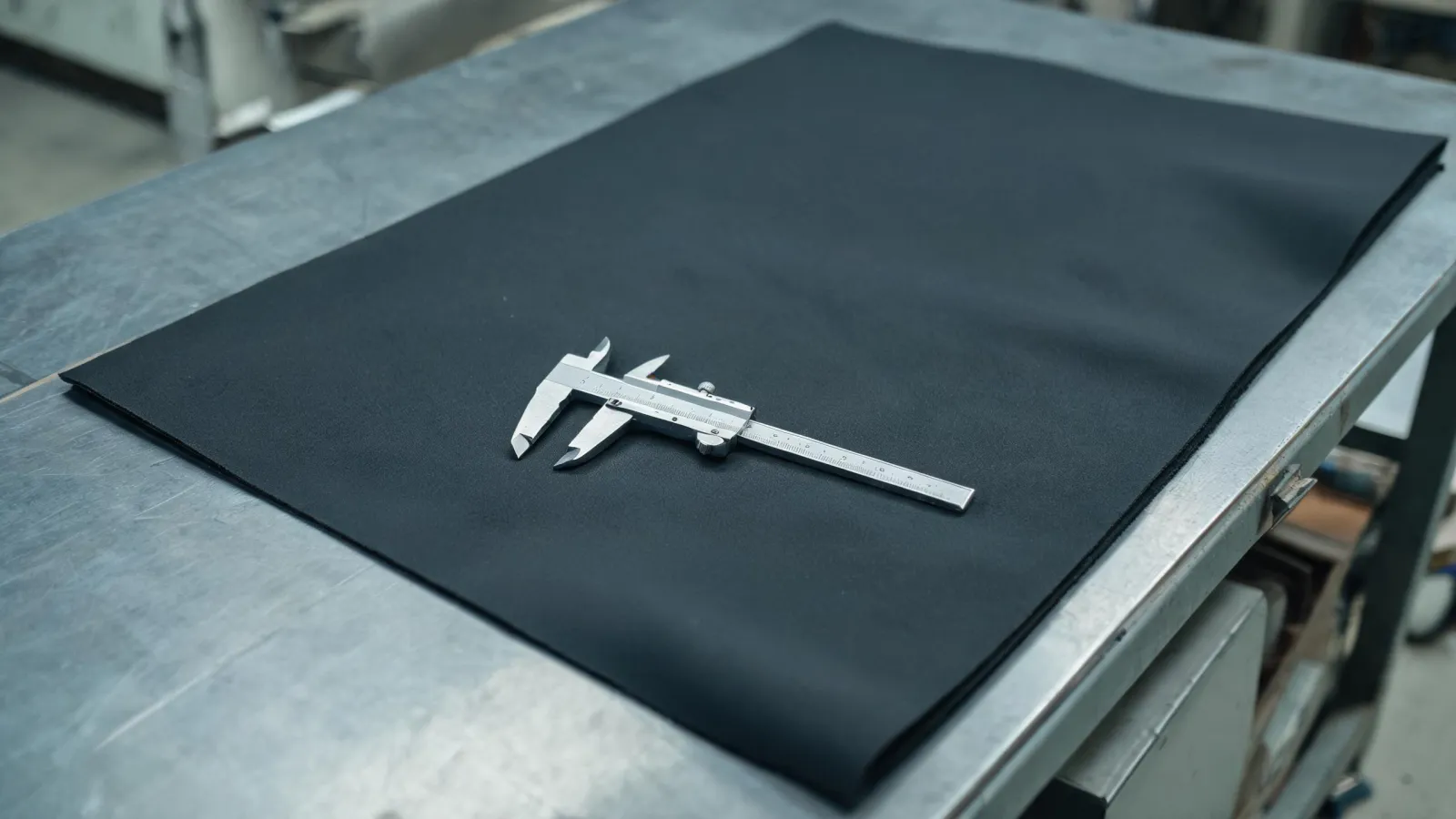
These are job contexts, not promised results. The same family still needs form, hardness, medium and destination before anyone can compare wholesale quotes. Neighbouring options stay inside Neoprene Rubber: sheet stock, molding compound, softer, harder and color-matched inquiry forms.
Typical parts: die-cut pads, molded covers, weather seals. Ask the factory for Shore A, thickness in inch or mm, and the ASTM D2000 call-out that belongs to that grade.
Typical parts: flap seals, wear pads, skirt stock. Send a measured sample or drawing. A competitor part number is a reference, not a specification.
Typical parts: lid gaskets and strip stock. State closed-cell vs solid, adhesive backing, and service temperature in °F or °C with the medium.
Neoprene (CR) is often compared with EPDM for ozone and weather. The buyer still decides medium and temperature; this desk does not pick the polymer for the plant.
CR can be asked for splash oil where NBR or FKM may also be on the table. Ask for swell data on the quoted compound. Do not treat a family brochure as lot evidence.
Quantity by configuration, packing (sheet on pallet, strip in coil) and destination postal code belong on the first request, not after a unit price arrives.
Observed product-family pages for neoprene rubber talk in axes, not in a number this desk can reprint. The three cards below are request prompts. They are not a download library we host.
Ask for the current technical data sheet and safety data sheet that name the quoted grade. A plant ISO 9001 certificate does not stand in for those files.
| Ask | Unit |
|---|---|
| Tensile strength | MPa or psi |
| Elongation at break | % |
| Compression set | % ASTM D395 |
Softer versus harder is a Shore scale question. Density in g/cc separates sponge-like stock from solid sheet. Color-matched is a visual call, not a hardness call.
| Ask | Unit |
|---|---|
| Shore hardness | A or D, not both |
| Density | g/cc |
| Service temperature | °F or °C |
There is no CAD configurator on this site. Send a drawing or a measured sample after first contact. Inner and outer diameter belong together when the part is a gasket, strip ring or bushing.
Plan a sample request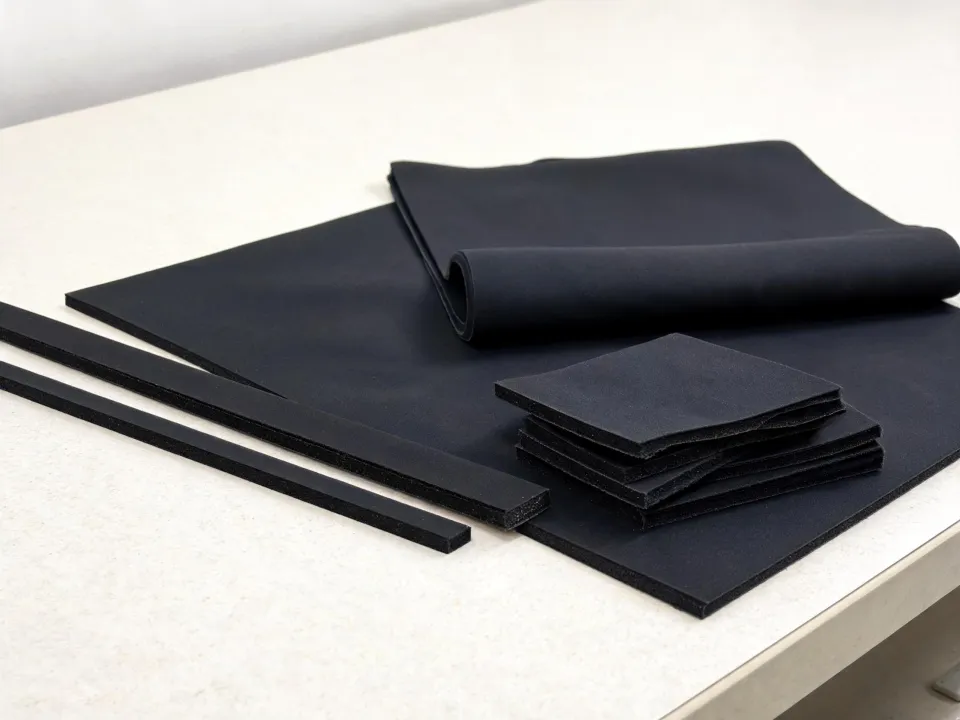
The buyer still decides the axes. Neighbouring measured strings such as neoprene rubber sheet or neoprene rubber gasket are not automatically the same configuration.
Sheet stock, molding compound, softer, harder or color-matched. A different word order can be the same part or a different wall.
A 70 Shore A elastomer is not a 70 Shore D plastic. Mixing the scales is a common quoting error on this family.
Solid CR sheet and cellular stock share a name and not a density. Leave it blank and the factory will pick a default.
ASTM D2000 is a common automotive-style call-out. The report should cite the method and the condition it was run under.
REACH, RoHS or FDA 21 CFR 177 files must name the quoted grade and lot, not the trading company.
This desk has no published customer roster. The cards below are checklists written as situations. They are not testimonials and they do not claim a saving.
Situation: a buyer has a photo of a black gasket and the search string neoprene rubber. The request still needs thickness, ID/OD or a drawing, Shore A and the medium. A photo is a starting point, not a specification.
Situation: two factories answer a sheet request. One quotes 1.30 g/cc solid stock; the other quotes a cellular sheet without density. Those replies are not yet comparable. Ask both to fill density, Shore scale and packing on the same quantity.
Situation: a plant proposes thermoplastic elastomer (TPE / TPU) instead of vulcanized neoprene. Treat that as a new request. Compression set and continuous service above about 120°C are different conversations, not a courtesy upgrade.
Grouped by request writing, specification and commercial terms. Answers stay inside this family and do not invent stock or price.
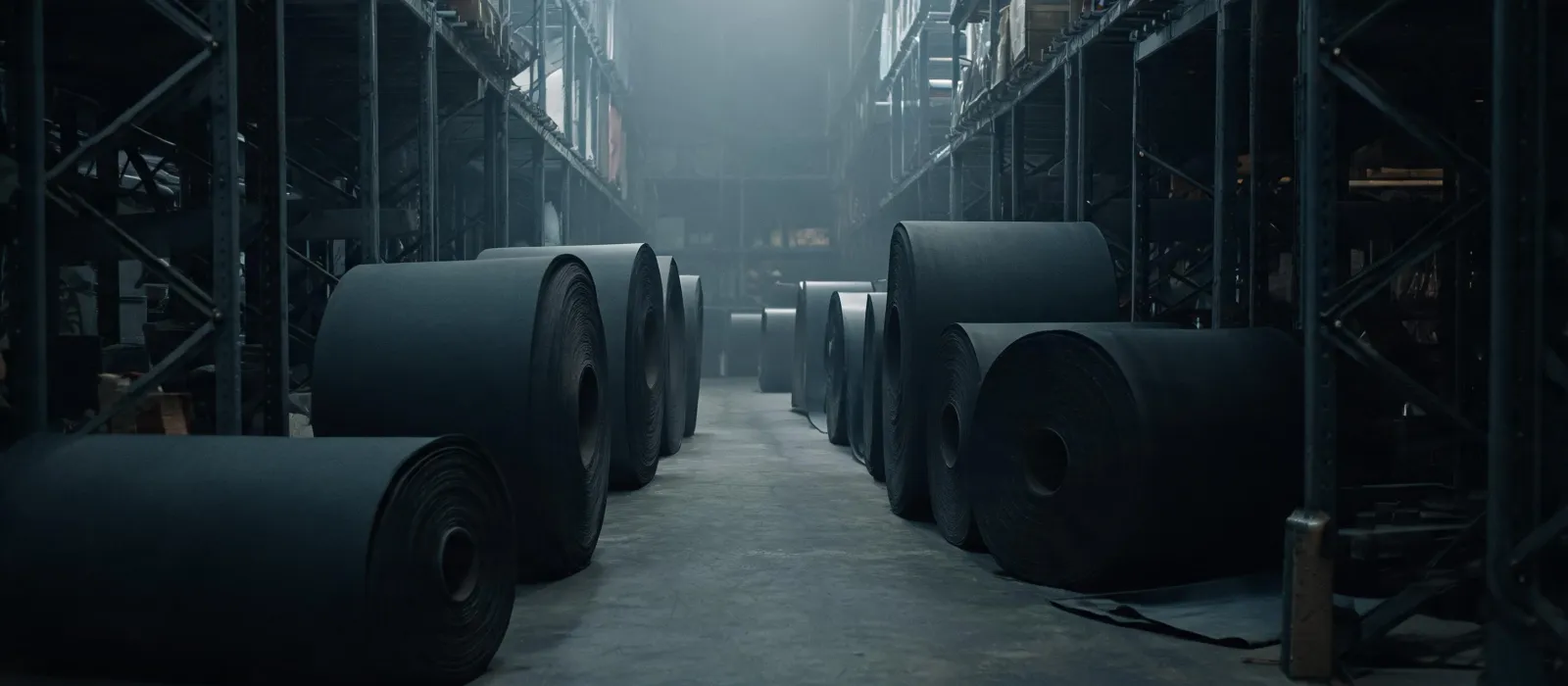
Neoprene Rubber Sourcing will send the same list to more than one factory so hardness, density, packing and Incoterms can sit side by side. No stock claim and no lowest-price promise.
Discuss Sample Needs